
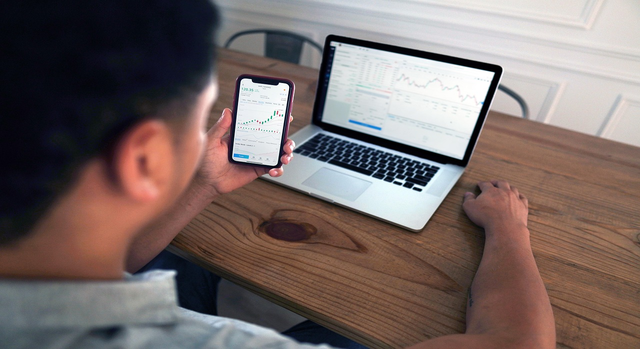
In the world of finance, it's essential to test trading strategies before implementing them in live markets. This process, known as forward testing, allows traders to "paper trade" and refine their methods without financial risk. Whether you're a seasoned trader or a beginner eager to learn, understanding how to paper trade like a pro can significantly enhance your trading skills. Forward testing in paper trading environments provides the opportunity to evaluate your strategies under real market conditions, thus bridging the gap between theoretical analysis and actual trading.
Understanding Forward Testing
Forward testing, often referred to as paper trading, is a critical component of strategy development in trading. Unlike backtesting, which uses historical data to assess a strategy's performance, forward testing applies your strategies in a simulated real-time environment. This approach helps you observe how your strategy would perform in current market conditions.
There are several benefits to forward testing. Firstly, it allows you to track your strategy's performance without risking actual capital. This is crucial for traders who are still refining their techniques. Secondly, it helps in identifying potential weaknesses in a strategy that might not be apparent from backtesting alone. Finally, forward testing offers a psychological advantage by allowing traders to practice discipline under simulated stress, which can be incredibly valuable when transitioning to live trading.
To begin forward testing, traders typically use demo accounts provided by brokers. These accounts offer all the tools and data of a real account but use virtual money. This setup enables traders to execute trades, manage risk, and analyze results without financial exposure.
Effective Paper Trading Strategies
When engaging in forward testing, one of the most crucial steps is selecting effective paper trading strategies. The primary goal here is to closely mimic real trading conditions while maintaining a controlled environment for analysis. Let's dive into some of the most effective strategies used by successful traders.
Developing a Robust Trading Plan
A comprehensive trading plan is the backbone of successful forward testing. It should include specific entry and exit points, risk management guidelines, and criteria for selecting trades. Without a well-defined plan, it's easy to deviate from your strategy, leading to inconsistent results.
Begin by defining your trading goals. Are you aiming for short-term gains, long-term investments, or a mix of both? Once your goals are clear, select a trading style that suits your personality and objectives, such as day trading, swing trading, or position trading.
Next, establish rules for entering and exiting trades. This could involve technical indicators, fundamental analysis, or a combination of both. For example, you might decide to enter a trade when the moving average crosses above a specific threshold or when a company reports earnings that exceed expectations.
Risk management is another vital component of your trading plan. Set a maximum percentage of your portfolio to risk on any single trade, and use stop-loss orders to protect against significant losses. By adhering to these rules during forward testing, you can evaluate your strategy's effectiveness and make necessary adjustments.
Analyzing and Adjusting Your Strategies
Once you've established a trading plan and begun forward testing, it's time to analyze your results and make any needed adjustments. This step is crucial for refining your strategy and ensuring it meets your trading objectives.
Start by reviewing your trades regularly. Analyze what worked and what didn't, and identify any patterns or trends. Look for discrepancies between your expected outcomes and actual results. This analysis will help you understand whether your strategy is viable or if it needs further refinement.
It's also essential to maintain a trading journal. Documenting each trade's details, including the rationale behind it, can provide invaluable insights. Over time, this journal will become a comprehensive record of your trading journey, highlighting areas for improvement and reinforcing successful tactics.
Common Mistakes to Avoid in Forward Testing
Even with a robust plan, traders can fall into common pitfalls during forward testing. By being aware of these mistakes, you can avoid them and enhance your paper trading experience.
Mini FAQ: Common Forward Testing Mistakes
As you embark on your forward testing journey, you might have some questions about common pitfalls. Here are a few frequently asked questions to guide you.
- Q: What is over-optimization, and why should I avoid it?
- A: Over-optimization involves tweaking a strategy to fit historical data perfectly. While it might show excellent backtest results, it often fails in live markets due to its lack of adaptability.
- Q: How can I prevent emotional trading during forward testing?
- A: Stick to your trading plan and rules. Avoid making impulsive trades based on market noise. Practice discipline and patience, treating your demo account as if it were real money.
- Q: Is it necessary to forward test for an extended period?
- A: Yes, forward testing over various market conditions and timeframes is crucial for evaluating a strategy's robustness. A minimum of several months is recommended to gather meaningful data.
Transitioning to Live Trading
After completing your forward testing, you may feel ready to transition to live trading. This step requires careful consideration and planning to ensure a smooth shift from paper trading to using actual capital.
Begin by gradually increasing your exposure to real markets. Instead of diving in with a large portion of your portfolio, start small. This approach allows you to adjust to the psychological aspects of live trading while minimizing risk.
It's also crucial to maintain the discipline and strategies developed during forward testing. Emotions can run high in live trading, so sticking to your plan is essential. Consider setting daily or weekly trading limits to help manage risk and prevent impulsive decisions.
Evaluating Success and Continuous Improvement
Once you've transitioned to live trading, continuous evaluation and improvement are key to long-term success. By regularly assessing your performance and adapting your strategies, you can enhance your trading skills over time.
Mini FAQ: Continuous Improvement in Trading
As you strive for success in live trading, you may encounter some questions regarding continuous improvement. Here are a few frequently asked questions to help guide you.
- Q: How often should I review my trading performance?
- A: Regular reviews, such as weekly or monthly, are recommended. This frequency allows you to identify trends and make timely adjustments to your strategies.
- Q: What if my strategy stops working in live markets?
- A: Markets are dynamic, and strategies may need adjustments. Analyze market changes, refine your approach, and consider forward testing new ideas before implementing them live.
- Q: Should I continue using a trading journal in live trading?
- A: Yes, maintaining a trading journal is invaluable for tracking progress, learning from mistakes, and reinforcing successful strategies.
In conclusion, forward testing: how to paper trade like a pro provides a solid foundation for honing your trading strategies. By understanding the intricacies of paper trading and avoiding common pitfalls, you can confidently transition to live markets. Remember, continuous evaluation and improvement are the keys to sustained success in the ever-evolving world of finance.