
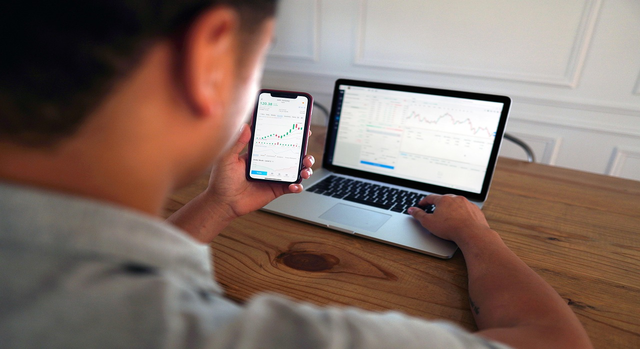
Trading in the financial markets can be both thrilling and daunting. The constant flux of market conditions means that having a robust plan is crucial for success. This is where trading discipline comes into play. It serves as the backbone of a trader's strategy, ensuring that decisions are made logically rather than emotionally. In this post, we'll explore the essential elements of trading discipline and provide a comprehensive checklist to use before every trade.
Understanding the Importance of Trading Discipline
Trading discipline is not just about sticking to your plans; it is about cultivating a mindset that prioritizes long-term gains over short-term whims. It helps traders avoid impulsive decisions that often lead to losses. By adhering to a well-structured approach, traders can navigate the complexities of financial markets more effectively.
One of the key aspects of trading discipline is risk management. This involves setting predefined limits on the amount of capital at risk in any single trade. It also involves knowing when to cut losses and take profits. Traders who master discipline often find themselves making more consistent profits.
Additionally, trading discipline ensures that traders remain focused on their strategies. Rather than being swayed by market noise, disciplined traders rely on their research and analysis, which helps in achieving their financial goals.
The Core Components of a Trading Checklist
Creating a trading checklist is an essential step in cultivating discipline. It acts as a guide, ensuring that all necessary steps are followed before executing a trade. This checklist should be revisited regularly to adapt to changing market conditions.
A well-rounded checklist typically includes the following components:
- Market Analysis: Conduct thorough research to understand current market trends and conditions.
- Setting Objectives: Clearly define your trading goals for each trade, including target profits and acceptable losses.
- Risk Management: Establish stop-loss and take-profit levels to manage risk effectively.
- Entry and Exit Strategies: Plan your entry and exit points based on technical and fundamental analysis.
- Review and Reflect: After the trade, analyze the outcome to learn from successes and mistakes.
Common Mistakes to Avoid
Even with a checklist, traders can fall into common traps. Here are some pitfalls to watch out for:
- Overtrading: Avoid entering too many trades in a short period, which can lead to increased risk and emotional exhaustion.
- Ignoring the Checklist: It's easy to skip steps under pressure, but this often leads to poor decision-making.
- Revenge Trading: After a loss, resist the urge to immediately trade again to recoup losses.
- Lack of Adaptability: Markets change, and so should your strategies. Be open to revisiting and updating your checklist regularly.
Developing a Personalized Trading Strategy
While a checklist provides a framework, each trader must develop a personalized strategy that fits their unique style and goals. This involves a combination of technical analysis, fundamental analysis, and personal preferences.
Start by identifying your trading style—whether you are a day trader, swing trader, or long-term investor. Each style requires different approaches and levels of discipline. For example, day traders need to be more agile and responsive to market movements, while long-term investors may focus more on fundamental analysis.
Furthermore, it is crucial to define your risk tolerance. Understanding how much risk you are comfortable taking will inform your trading decisions and help maintain discipline under pressure.
Implementing the Checklist in Real-Time Trading
Having a checklist is one thing, but implementing it during real-time trading is where the challenge lies. Here's how you can effectively use your checklist in the heat of the moment:
Before executing a trade, take a moment to run through your checklist. This ensures that you have considered all necessary factors and are not making impulsive decisions. It also helps to keep emotions in check, which can cloud judgment.
Use technology to your advantage. Many trading platforms offer features like automated alerts and stop-loss orders that can help reinforce discipline and adherence to your checklist.
FAQ on Real-Time Trading Discipline
To further clarify how to maintain trading discipline, here are some frequently asked questions:
Q1: How do I handle emotions during trading?
A: Practice mindfulness and take regular breaks to clear your mind. This helps reduce stress and maintain focus on your strategy.
Q2: What if I miss a step in my checklist?
A: If you realize you missed a step, re-evaluate the trade before proceeding. It's better to be cautious than to make a hasty decision.
Q3: Can I modify my checklist over time?
A: Absolutely. Your checklist should evolve as you gain experience and as market conditions change.
Tools and Resources to Enhance Trading Discipline
In addition to a checklist, utilizing the right tools and resources can significantly enhance your trading discipline. There are numerous software and applications available designed to support traders in executing their strategies effectively.
Charting software, for instance, helps in conducting technical analysis, allowing traders to identify patterns and trends. News aggregators keep traders informed about market-moving events, which is crucial for making informed decisions.
Moreover, trading journals are invaluable for reflecting on past trades. By maintaining a detailed record of your trades, including entry and exit points, rationale, and outcomes, you can identify patterns and areas for improvement.
FAQ on Trading Tools and Resources
Let's address some common questions about utilizing trading tools:
Q1: What tools are essential for beginners?
A: Beginners should start with charting software and a basic trading journal to track their progress and learn from experiences.
Q2: How can technology help in maintaining discipline?
A: Technology can automate many aspects of trading, such as setting alerts and executing stop-loss orders, helping to minimize emotional interference.
Q3: Are there free resources available?
A: Yes, many platforms offer free trials or basic versions of trading tools. Online forums and educational websites are also great resources for learning.
In conclusion, trading discipline is a fundamental aspect of successful trading. By using a comprehensive checklist, developing a personalized strategy, and leveraging the right tools, traders can improve their decision-making processes and achieve consistent results. Remember, the journey to becoming a disciplined trader is ongoing, but with commitment and practice, discipline becomes second nature.