
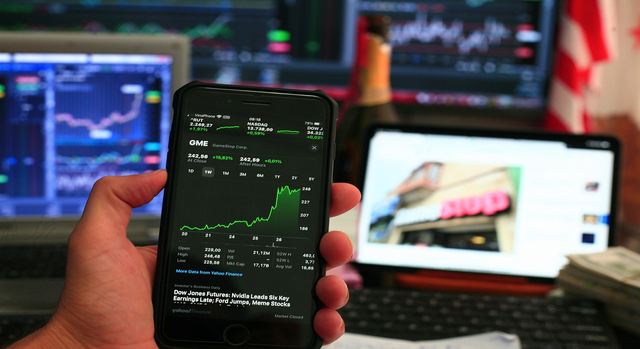
Trading in the financial markets can be a rollercoaster of emotions. It's exhilarating when things go your way, but gut-wrenching when they don't. A common pitfall that traders face is revenge trading, particularly after a loss. This emotional reaction can wreak havoc on your trading strategy and financial health. Understanding how to avoid revenge trading after a loss is crucial for maintaining a disciplined approach and ensuring long-term success in trading.
Understanding Revenge Trading
Revenge trading occurs when a trader attempts to recoup losses by making impulsive trades. This behavior is driven by emotion rather than logic or strategy. It's essential to recognize that trading from a place of desperation often leads to further losses. Instead of approaching the market with a clear plan, revenge traders act on impulse, hoping to recover quickly.
The psychological impact of a loss can be significant. It's natural to feel frustrated or anxious after losing a trade, but it's important to channel these emotions productively. Revenge trading is a cycle that can be hard to break, as each subsequent loss fuels the desire to recover. Understanding the underlying causes of this behavior is the first step toward overcoming it.
Strategies to Combat Revenge Trading
To avoid revenge trading after a loss, it's crucial to implement strategies that promote discipline and control. One effective approach is to develop a comprehensive trading plan. This plan should outline your financial goals, risk tolerance, and specific criteria for entering and exiting trades. By having a solid framework, you can reduce impulsivity and stick to your strategy, even when emotions run high.
Building a Solid Trading Plan
A well-structured trading plan is your roadmap to success. It should include detailed information about your trading strategy, including the types of trades you will make, the amount of risk you are willing to take, and the conditions under which you will enter or exit a trade.
Here are some components to consider when creating your trading plan:
- Financial Goals: Define what you want to achieve with your trading, whether it's supplementing your income, saving for a big purchase, or building long-term wealth.
- Risk Management: Set clear rules for how much capital you are willing to risk on a single trade. This will help prevent significant losses and preserve your trading account.
- Entry and Exit Criteria: Determine the technical indicators or market conditions that will trigger your buying or selling decisions.
- Emotional Control: Develop strategies to manage stress and maintain a level-headed approach to trading.
- Review and Reflect: Regularly assess your trading performance and adjust your plan as needed to improve results.
By following a structured plan, you can minimize the temptation to engage in revenge trading. Remember, consistency and discipline are the hallmarks of a successful trader.
Emotional Awareness and Control
Another key aspect of avoiding revenge trading is cultivating emotional awareness. Being in tune with your emotions can help you recognize when you're trading from a place of fear or frustration. Mindfulness practices, such as meditation or journaling, can be effective tools for developing this awareness.
FAQ on Emotional Control in Trading
Q: How can I identify emotional triggers that lead to revenge trading?
A: Pay attention to patterns in your behavior after a loss. Do you feel an urgent need to trade again immediately? Recognizing these triggers can help you pause and reassess before making impulsive decisions.
Q: What role does stress management play in trading?
A: Managing stress is crucial for maintaining a clear mind. Techniques such as deep breathing exercises, regular breaks, and physical activity can help reduce stress levels and improve trading performance.
Q: Can talking to other traders help in managing emotions?
A: Yes, discussing your experiences with fellow traders can provide support and different perspectives. It can also help you realize that you're not alone in facing these challenges.
Developing a Healthy Trading Mindset
Adopting a healthy trading mindset is essential for long-term success. This involves accepting that losses are a natural part of trading and focusing on the bigger picture. Instead of fixating on individual losses, consider them as learning opportunities. Analyze what went wrong and how you can improve your strategy.
It's also important to maintain realistic expectations. Trading is not a get-rich-quick scheme. It requires patience, persistence, and continuous learning. By setting attainable goals and celebrating small victories, you can stay motivated and avoid the pitfalls of revenge trading.
Practical Tips to Avoid Revenge Trading
Implementing practical tips can further help you steer clear of revenge trading. First, consider setting a daily loss limit. By capping the amount you're willing to lose in a single day, you reduce the temptation to make reckless trades. If you hit this limit, take a step back and reassess your strategy.
Checklist for Disciplined Trading
- Daily Loss Limit: Decide on a maximum loss amount for each trading day to prevent emotional decision-making.
- Breaks and Downtime: Schedule regular breaks to clear your mind and reduce stress.
- Trading Journal: Keep a detailed record of your trades, including your thoughts and emotions, to identify patterns and areas for improvement.
- Continuous Learning: Stay informed about market trends and strategies through courses, books, and webinars.
- Support System: Connect with other traders or a mentor for guidance and accountability.
By incorporating these tips into your routine, you can foster a disciplined approach to trading and minimize the risk of revenge trading.
In conclusion, understanding how to avoid revenge trading after a loss requires a combination of psychological awareness, strategic planning, and practical steps. By approaching trading with a disciplined mindset, you can navigate the challenges of the financial markets and work towards achieving your financial goals. Remember, successful trading is not about avoiding losses entirely but managing them effectively and learning from each experience.