
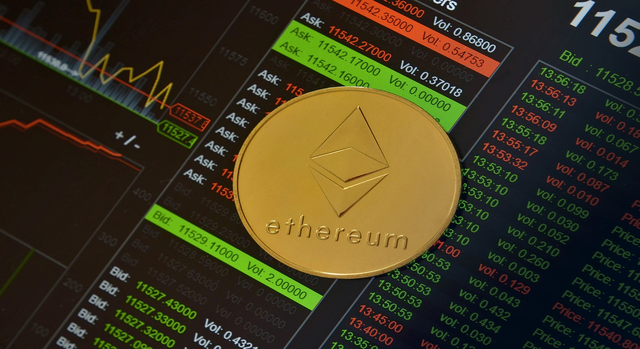
In recent years, the world of finance has undergone a technological revolution with the rise of decentralized finance, commonly known as DeFi. For those new to the concept, understanding DeFi can seem daunting, but it is essential to grasp its potential impact on the global financial landscape. So, what is DeFi? Decentralized Finance Explained for Beginners aims to demystify this innovative financial ecosystem, offering a beginner-friendly guide to understanding DeFi's core principles and applications.
Understanding the Basics of DeFi
At its core, DeFi refers to a collection of financial services built on blockchain technology, primarily using smart contracts on platforms like Ethereum. Unlike traditional finance, which relies on centralized institutions such as banks and brokers, DeFi operates without intermediaries. This peer-to-peer system offers greater transparency, accessibility, and security.
The primary advantage of DeFi is its ability to democratize access to financial services. Anyone with an internet connection can participate, making it particularly revolutionary for those in underbanked regions. With DeFi, users can lend, borrow, trade, and earn interest on their crypto assets without needing a traditional bank account.
How DeFi Works
DeFi operates using decentralized applications (dApps) that provide financial services on blockchain networks. These dApps use smart contracts, which are self-executing contracts with the terms of the agreement directly written into code. This automation reduces the need for intermediaries and lowers costs.
One of the key components of DeFi is liquidity pools. These pools are collections of funds locked in a smart contract, which facilitate trading and lending activities on decentralized exchanges (DEXs). Users can contribute to these pools and earn rewards, such as interest or fees, for providing liquidity.
Common DeFi Applications
DeFi applications span a wide range of financial services. Here are some of the most common types:
- Lending platforms: Users can lend their crypto assets to others and earn interest, often in the form of additional cryptocurrencies.
- Decentralized exchanges (DEXs): These platforms allow users to trade cryptocurrencies directly with one another, without the need for a centralized exchange.
- Stablecoins: Cryptocurrencies pegged to stable assets like the US dollar, providing a stable store of value within the volatile crypto market.
- Yield farming: A practice where users maximize returns by strategically moving assets across various DeFi platforms to earn interest or rewards.
Transitioning to the next section, it's essential to understand the benefits DeFi offers compared to traditional finance.
The Benefits of DeFi
DeFi provides several advantages over traditional financial systems, primarily through its decentralized nature. These benefits include increased transparency, reduced costs, and enhanced accessibility.
Transparency is a hallmark of DeFi. All transactions are recorded on a public blockchain, ensuring that anyone can verify them. This transparency fosters trust and accountability, reducing the risk of fraud and corruption.
Cost reduction is another significant advantage. By eliminating intermediaries, DeFi platforms can offer lower fees compared to traditional financial services. This cost efficiency makes DeFi an attractive option for both individuals and businesses.
Risks and Challenges of DeFi
Despite its many advantages, DeFi is not without risks and challenges. Understanding these is crucial for anyone venturing into this new financial frontier.
Security Concerns
Security remains one of the primary concerns in DeFi. Smart contracts, while revolutionary, are not infallible. Bugs or vulnerabilities in the code can be exploited by malicious actors, potentially leading to significant financial losses.
Furthermore, the decentralized nature of DeFi means there is no central authority to turn to in the event of a problem. Users must exercise caution and due diligence when selecting platforms to ensure they are reputable and secure.
- What happens if a smart contract is hacked? In the event of a hack, funds may be lost permanently, as there is no centralized authority to recover them.
- Are DeFi platforms insured? Most DeFi platforms are not insured, meaning users bear the full risk of loss.
- How can I protect myself? Use reputable platforms, conduct thorough research, and consider using insurance services where available.
Next, we'll explore some practical steps to get started with DeFi and common mistakes to avoid.
Getting Started with DeFi
Embarking on your DeFi journey requires some preparation and understanding of the necessary tools. Here are some practical steps to help you begin:
- Set up a digital wallet: Choose a secure crypto wallet compatible with DeFi applications, such as MetaMask or Trust Wallet.
- Purchase cryptocurrency: Buy Ethereum or other cryptocurrencies used on DeFi platforms through a reputable exchange.
- Select DeFi platforms: Research and choose platforms that align with your financial goals, whether it's lending, borrowing, or trading.
- Start small: Begin with a small amount to familiarize yourself with the platform and its processes.
- Monitor your investments: Regularly review your DeFi activities and stay informed about market trends and platform updates.
By following these steps, beginners can confidently start exploring the world of DeFi. However, let's delve into some common pitfalls to avoid along the way.
Common Mistakes to Avoid
While DeFi offers exciting opportunities, it's easy to make mistakes if you're not careful. Here are some common pitfalls to watch out for:
Overlooking Security
Security should be a top priority when engaging with DeFi. Avoid platforms that seem too good to be true, as they may be scams or poorly secured.
- Should I trust all DeFi platforms? No, always conduct thorough research and verify the platform's credibility before investing.
- How do I know if a platform is secure? Look for audits by reputable firms and user reviews to gauge security.
- What should I do if I suspect a scam? Withdraw your funds immediately and report the platform to the community.
Another common mistake is failing to diversify. Placing all your assets in one platform can be risky. It's wise to diversify across different DeFi projects to mitigate potential losses. Additionally, staying informed about the latest developments and regulatory changes is crucial for long-term success in DeFi.
In conclusion, the answer to "What Is DeFi? Decentralized Finance Explained for Beginners" lies in understanding its core principles, benefits, and risks. By navigating this innovative landscape with caution and curiosity, you can leverage the potential of DeFi to revolutionize your financial journey.