
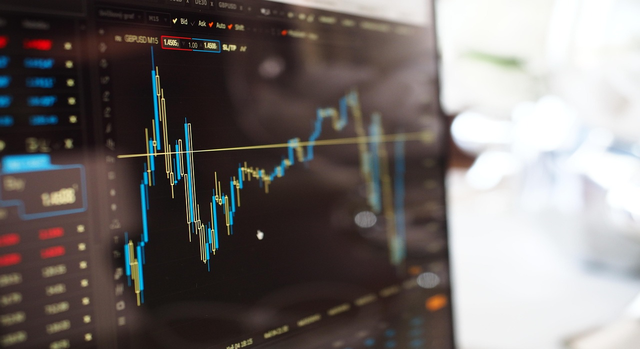
Creating a structured trading routine is essential for any serious trader. It helps in minimizing emotional decision-making and enhances consistency in trading performance. When traders succumb to random trades, they often do so due to a lack of discipline or a well-defined strategy. Understanding how to create a trading routine that prevents random trades is crucial to achieving long-term success in the finance market.
Understanding the Importance of a Trading Routine
A trading routine is not just about setting a schedule; it is about creating a disciplined approach to the markets. A well-crafted routine helps you stay focused and make decisions based on data rather than emotions. This discipline is what separates successful traders from those who frequently incur losses due to impulsive decisions.
One of the primary benefits of having a trading routine is the reduction of stress and uncertainty. By knowing exactly what to do and when to do it, you remove a lot of the anxiety that comes with trading. This structured approach can significantly improve your confidence and decision-making abilities.
Moreover, a routine helps you track your performance more effectively. With a set routine, you can analyze your trades, identify patterns, and refine your strategy over time. This leads to improved performance and a better understanding of the market dynamics.
Steps to Develop a Trading Routine
Creating an effective trading routine involves several steps. First, you need to define your trading goals. Are you looking to make a certain percentage of return each month, or are you focused on preserving capital? Knowing your goals will help you tailor your routine to achieve them.
Next, choose a specific time for trading. Select the hours when you can concentrate fully on the markets. This could be during the opening or closing hours of the stock market, depending on your strategy and the financial instruments you trade.
Setting Up Your Trading Environment
Having a dedicated trading environment is crucial. Ensure your workspace is free from distractions and equipped with the necessary tools, such as a reliable computer, trading software, and high-speed internet. A well-organized space can enhance your focus and efficiency.
Consider setting up multiple monitors to keep track of various market indicators simultaneously. This can be particularly useful for day traders who need to react quickly to market changes.
Frequently Asked Questions:
- Q: Why is a trading routine important?
- A: A trading routine helps maintain discipline, reduce emotional decision-making, and improve consistency.
- Q: How do I start building a trading routine?
- A: Begin by setting clear goals, choosing specific trading hours, and organizing your trading environment.
- Q: Can a trading routine prevent all random trades?
- A: While it minimizes the likelihood, it requires discipline and regular review to be effective.
Common Mistakes to Avoid
While developing a trading routine, traders often make several common mistakes. One such mistake is being overly rigid. Flexibility is important because the market is dynamic. A rigid routine may lead you to miss opportunities or stick to strategies that no longer work.
Another mistake is neglecting to review and adjust the routine. A trading routine should evolve with your experience and changes in the market conditions. Regularly reviewing your performance and adjusting your routine accordingly is vital.
Finally, avoid overloading your routine with unnecessary tasks. Focus on key activities that directly impact your trading performance. Simplifying your routine can make it easier to follow and more effective.
Practical Tips for a Successful Trading Routine
To enhance your trading routine, consider the following practical tips. Start your day by reviewing the previous day’s trades. This reflection can provide insights into what worked and what didn’t. Use this information to make informed decisions for the current day.
Incorporate regular breaks into your routine. Trading can be mentally exhausting, and breaks can help you maintain focus and avoid burnout. Additionally, use these breaks to analyze ongoing trades or market trends without pressure.
Building a Routine for Long-term Success
For long-term success, it’s important to integrate continuous learning into your trading routine. The finance market is ever-evolving, and staying updated with the latest trends and strategies is crucial. Dedicate time each week to learn something new about trading or finance.
Creating a network with other traders can also be beneficial. Engaging in discussions with fellow traders can provide new perspectives and ideas that you might not have considered. This collaboration can be an invaluable part of your routine.
Frequently Asked Questions:
- Q: How often should I review my trading routine?
- A: Regular reviews, at least monthly, are recommended to ensure it remains effective.
- Q: Is it essential to have a trading mentor?
- A: While not essential, a mentor can provide guidance and help you avoid common pitfalls.
- Q: Can technology assist in maintaining a trading routine?
- A: Yes, trading software and alerts can help automate and streamline your routine.
Conclusion: Final Thoughts on Trading Routines
In conclusion, knowing how to create a trading routine that prevents random trades is a fundamental skill for any trader. It requires discipline, continuous evaluation, and a willingness to adapt to changing market conditions. By following the steps outlined and avoiding common mistakes, you can develop a routine that enhances your trading performance and supports your financial goals.
Remember, the key to a successful trading routine is consistency and adaptability. As you gain experience and insight, your routine will naturally evolve, leading to better trading outcomes and a more disciplined approach to the finance markets.