
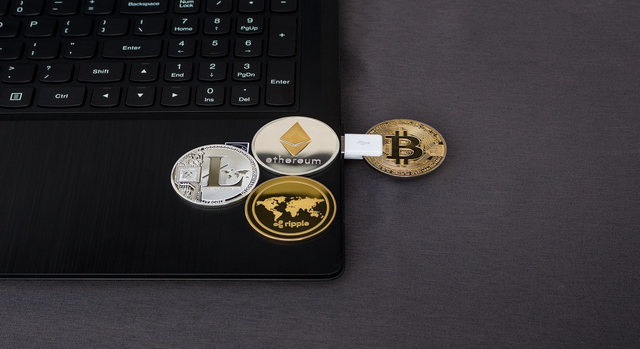
In the evolving world of cryptocurrency, understanding the tools that safeguard your digital assets is crucial. As you embark on your crypto journey, one of the most important decisions you'll make is how to store your cryptocurrencies securely. This decision often boils down to choosing between a hot wallet and a cold wallet. With the topic of crypto wallets explained: hot wallet vs cold wallet (which is safer?), this guide will delve into the details, helping you make an informed choice that suits your needs.
Understanding the Basics of Crypto Wallets
Crypto wallets are essential tools for managing and securing your digital currencies. They store the private and public keys needed to send and receive cryptocurrencies, acting as a bridge between you and the blockchain.
There are two main types of crypto wallets: hot wallets and cold wallets. Each serves a unique purpose and comes with its own set of advantages and disadvantages. Deciding which is safer depends on your specific requirements and risk tolerance.
Hot wallets are connected to the internet, making them accessible and convenient for frequent transactions. Examples include mobile apps and online services. Cold wallets, on the other hand, are offline, offering enhanced security at the expense of convenience. These include hardware wallets and paper wallets.
To choose the right wallet, it's crucial to understand your transaction needs and security priorities. Let's explore both types in detail to better understand their roles in the crypto space.
Hot Wallets: Convenience Meets Accessibility
Hot wallets are popular among crypto users who prioritize ease of access and frequent transactions. They are ideal for everyday trading, allowing users to quickly access their funds through internet-connected devices.
These wallets are often user-friendly and integrate seamlessly with exchanges and other services. However, their internet connectivity poses a potential security risk, as they can be more vulnerable to hacking attempts.
Best Practices for Using Hot Wallets
When using hot wallets, it's important to follow best practices to mitigate potential risks. Here are some key strategies:
- Use Strong Passwords: Ensure your wallet is protected by a robust password that combines letters, numbers, and symbols.
- Enable Two-Factor Authentication (2FA): This adds an extra layer of security by requiring a second form of verification.
- Regular Updates: Keep your wallet software updated to protect against vulnerabilities.
- Limit Exposure: Store only small amounts of crypto in your hot wallet for daily use.
By adhering to these practices, you can enhance the security of your hot wallet while enjoying its convenience.
Cold Wallets: Security at Its Finest
Cold wallets provide an extra layer of security by keeping your digital assets offline. This significantly reduces the risk of unauthorized access, making them the preferred choice for long-term storage.
Cold wallets come in various forms, including hardware wallets and paper wallets. Hardware wallets are physical devices that securely store your private keys, while paper wallets involve printing your keys on paper for offline storage. Both methods ensure your assets are accessible only to you.
While cold wallets are inherently more secure, they can be less convenient for frequent transactions. Let's explore the nuances of using cold wallets effectively.
Maintaining Your Cold Wallet: A Quick Guide
To maximize the safety of your cold wallet, consider the following tips:
- Secure Storage: Keep your hardware wallet in a safe place, such as a locked drawer or safe.
- Backup Your Keys: Create multiple copies of your paper wallet and store them in separate, secure locations.
- Regular Checks: Periodically check the integrity of your wallet to ensure it remains free from damage.
- Use Reputable Brands: Purchase hardware wallets from trusted manufacturers to avoid counterfeit products.
By following these guidelines, you can ensure that your cold wallet remains a fortress for your digital assets.
Common Mistakes to Avoid with Crypto Wallets
When managing crypto wallets, there are several common pitfalls that users should be aware of. Avoiding these mistakes can help you maintain the security and integrity of your digital assets.
Firstly, never share your private keys with anyone. This is the most critical piece of information that controls access to your cryptocurrency. Additionally, always verify the authenticity of wallet software and hardware to prevent falling victim to scams or malware.
Another common mistake is failing to back up your wallet. Without backups, you risk losing access to your funds in the event of device failure or loss. Finally, avoid keeping large amounts of cryptocurrency in a single wallet, especially if it's a hot wallet. Diversifying your storage methods can mitigate risks.
Making the Right Choice: Hot Wallet vs Cold Wallet
Determining which type of wallet is safer depends on your specific needs and how you plan to use your cryptocurrency. For frequent traders, a hot wallet may be more practical due to its accessibility. However, if security is your primary concern, a cold wallet may be the better option.
Consider the following factors when making your decision:
- Frequency of Transactions: If you trade often, a hot wallet offers more convenience.
- Amount of Cryptocurrency: Large holdings are better suited for cold wallets to minimize exposure to online threats.
- Security vs. Convenience: Balance your need for access with your desire for security.
By weighing these factors, you can choose the right wallet that aligns with your crypto strategy.
FAQ: Choosing Between Hot and Cold Wallets
Here are some frequently asked questions that may help clarify your decision:
- Q: Can I use both hot and cold wallets?
- A: Yes, many users employ a combination of both to balance convenience and security.
- Q: Is it difficult to transfer funds from a cold wallet to a hot wallet?
- A: It can be slightly more involved than transactions within a hot wallet, but it's generally straightforward with the right tools.
- Q: Are there any costs associated with using hardware wallets?
- A: Yes, hardware wallets require an initial purchase cost, but they offer long-term security benefits.
Enhancing Your Crypto Security Strategy
Beyond choosing the right type of wallet, there are additional steps you can take to bolster your crypto security strategy. Implementing these measures can provide peace of mind and protect your investments.
Firstly, regularly reviewing your security settings and transaction history can help you detect and respond to suspicious activity promptly. Using a dedicated device solely for crypto transactions can also reduce exposure to malware and phishing attacks.
Furthermore, educating yourself about the latest security trends and threats in the crypto space can empower you to make informed decisions. Understanding the evolving landscape will allow you to adapt your strategies accordingly.
Security Best Practices: A Quick Checklist
Here’s a quick checklist to enhance your crypto security:
- Monitor your wallet's activity regularly.
- Use antivirus software and keep it updated.
- Be cautious of phishing emails and fake websites.
- Consider using a dedicated device for cryptocurrency activities.
- Stay informed about the latest crypto security news.
By following these best practices, you can significantly reduce the risk of unauthorized access to your crypto assets.