
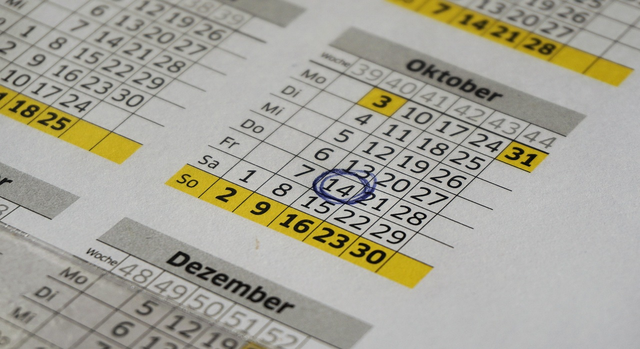
Managing personal finances can often feel like navigating a complex web of bills, unexpected expenses, and savings goals. One effective strategy to simplify this process is learning how to build a ‘True Expenses’ calendar for the whole year. This approach helps you anticipate and prepare for both regular and irregular expenses, ensuring that your financial well-being remains intact throughout the year.
Understanding the Concept of ‘True Expenses’
Before diving into the mechanics of creating a calendar, it's crucial to understand what 'True Expenses' entail. True expenses go beyond the monthly bills and include all those irregular costs that can catch you off guard. These might be annual insurance premiums, vehicle maintenance, holiday gifts, or even that once-in-a-while dental work.
The beauty of a ‘True Expenses’ calendar is that it paints a comprehensive picture of your financial obligations. By acknowledging these expenses ahead of time, you can allocate funds accordingly, reducing the financial strain when these costs inevitably arise. This foresight allows for better budgeting and a more relaxed approach to your personal finance strategy.
Moreover, planning for true expenses is a proactive step towards financial stability. It transforms potential financial shocks into manageable events and helps you avoid dipping into savings or accruing debt.
Steps to Build Your ‘True Expenses’ Calendar
Creating a ‘True Expenses’ calendar is a straightforward process that requires a bit of upfront effort but pays off significantly in the long run. Here's a step-by-step guide to help you get started:
- List All Your Expenses: Begin by listing all your recurring and irregular expenses. This includes monthly bills like rent or mortgage, utilities, and groceries, as well as yearly costs like insurance, taxes, and subscriptions.
- Estimate the Costs: For each expense, estimate the cost. Use past bills and receipts to get an accurate number. If the cost fluctuates, consider using the highest amount to avoid underestimating.
- Determine the Frequency: Identify how often each expense occurs. Some might be monthly, while others could be quarterly or annual.
- Allocate Funds Monthly: Divide the total annual cost of each expense by 12 to find out how much you need to save each month.
- Create a Calendar: Use a spreadsheet or a digital calendar to map out your expenses. Mark due dates and the amount you need to have saved by then.
With these steps, you’ll have a clear view of your financial landscape for the year. You’ll know exactly when and how much to save, making it easier to manage your finances proactively.
Common Mistakes to Avoid
Even with the best intentions, there are common pitfalls to watch out for when building your calendar:
- Overlooking Irregular Expenses: Many people focus only on regular monthly expenses, forgetting about those once-a-year costs that can derail a budget.
- Underestimating Costs: Always err on the side of caution by overestimating expenses to provide a cushion for any price fluctuations.
- Ignoring Adjustments: Failing to adjust your calendar as your financial situation changes can lead to unnecessary stress and financial shortfalls.
By keeping these potential mistakes in mind, you can create a more effective and realistic ‘True Expenses’ calendar.
Practical Tips for Effective Implementation
With your calendar ready, the next step is to ensure its successful implementation. Here are some practical tips to help you along the way:
- Automate Savings: Set up automatic transfers to a dedicated savings account for your true expenses. This ensures that you consistently set aside the necessary funds each month.
- Review Regularly: Schedule monthly reviews of your calendar to adjust for any changes in your financial situation or expenses.
- Use Financial Tools: Leverage budgeting apps or software to track your spending and ensure you’re on track with your savings goals.
These tips can help you stay disciplined and make the process of managing your true expenses more efficient and less stressful.
Creating a True Expenses Checklist
To streamline the process further, consider creating a checklist that you can refer to throughout the year. This checklist should include:
- Monthly expenses and due dates
- Quarterly and annual expenses with savings goals
- Dates for reviewing and adjusting your calendar
- Emergency fund contributions
Having a checklist ensures that nothing falls through the cracks and that you remain on top of your financial obligations.
FAQ: Common Concerns About True Expenses Calendars
Here are some frequently asked questions regarding the implementation of a ‘True Expenses’ calendar:
- Q: What if my income is irregular?
- A: For those with irregular income, focus on saving a higher percentage during peak earning periods to cover leaner months.
- Q: How do I handle unexpected expenses?
- A: Maintain an emergency fund separate from your true expenses savings to cover unforeseen costs.
- Q: Can I use this method if I'm already in debt?
- A: Absolutely. It can help you manage current expenses while gradually paying down debt.
Adjusting Your Calendar for Life Changes
Life is unpredictable, and changes are inevitable. Whether it’s a new job, a move, or an addition to the family, these changes can impact your finances. Therefore, it's crucial to adjust your ‘True Expenses’ calendar accordingly.
Re-evaluate your expenses and savings goals whenever such changes occur. This will help you maintain financial stability and avoid unnecessary stress.
FAQ: Adapting to Financial Changes
Here are some common questions about adjusting your calendar for life changes:
- Q: How often should I update my calendar?
- A: At minimum, review your calendar monthly, but make adjustments as soon as significant life changes happen.
- Q: What if my expenses decrease?
- A: Redirect the surplus savings towards other financial goals, such as paying off debt or bolstering your emergency fund.
- Q: Should I include savings for future goals?
- A: Yes, incorporating savings for future goals like a house or vacation can help you plan more effectively.
Adjusting your calendar ensures that it remains a relevant and useful tool in your financial planning arsenal. By being flexible and proactive, you can maintain control over your financial future.
In conclusion, learning how to build a ‘True Expenses’ calendar for the whole year is an invaluable skill. It allows you to manage your finances with foresight and confidence, ensuring that you are prepared for both expected and unexpected expenses. By following the steps outlined and avoiding common pitfalls, you can create a reliable financial roadmap that guides you throughout the year.