
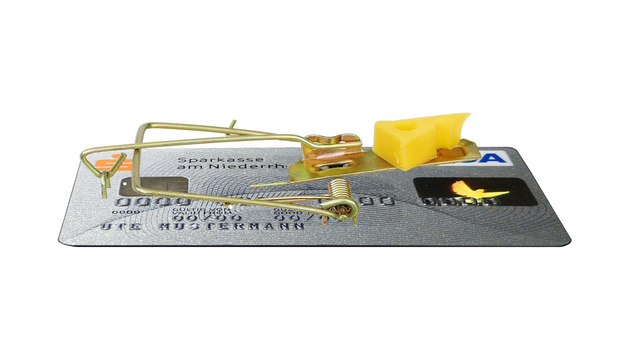
In the world of finance, credit cards often come with tantalizing offers that promise low or even zero interest rates for an introductory period. These promotional rates can seem like a dream come true for those looking to make a big purchase or consolidate debt. However, what many consumers don’t realize is that these offers can quickly turn into expensive debt due to APR traps. Understanding how these promotional rates work and the potential pitfalls is crucial for managing your finances effectively.
Understanding Promotional APR Offers
Promotional APR offers are a common marketing strategy used by credit card companies to attract new customers. These offers typically feature a low or zero percent interest rate for a limited time, often ranging from six to eighteen months. This introductory period allows cardholders to make purchases or transfer balances without incurring immediate interest.
While these offers can provide significant savings initially, it is essential to understand the terms and conditions. Once the promotional period ends, the APR resets to the standard rate, which can be significantly higher. This is where many consumers fall into APR traps, as the sudden increase in interest can lead to unexpected and expensive debt.
To make the most of these offers, it’s vital to pay off the balance before the promotional rate expires. Failing to do so can result in the accumulation of interest on the remaining balance, turning what seemed like a financial advantage into a costly burden.
The Mechanics of APR Traps
APR traps occur when consumers fail to fully understand the terms of their promotional rate agreement. One common misconception is that the entire balance will continue to enjoy the promotional rate indefinitely. However, once the introductory period ends, any remaining balance is subject to the regular APR, which can be as high as 20% or more.
Common Misunderstandings About Promotional Rates
There are several misconceptions about promotional APR offers that can lead to expensive debt. First, many people assume that payments made during the promotional period will automatically apply to the balance with the highest interest rate. However, credit card issuers often apply payments to the portion of the balance not covered by the promotional rate first.
Another common misunderstanding is the belief that making minimum payments will suffice. In reality, minimum payments often do not cover the entire balance before the promotional period ends, leading to substantial interest charges on the remaining debt.
- Assumption: Promotional rates apply to all purchases. Reality: They typically apply to specific transactions like balance transfers.
- Assumption: Once the promotional period ends, the rate remains low. Reality: Rates usually jump significantly after the period.
- Assumption: Minimum payments are enough to avoid interest. Reality: They often don't reduce the principal significantly.
Strategies to Avoid Falling Into APR Traps
To avoid the pitfalls of APR traps, consumers need to be proactive and informed about their financial decisions. Here are some strategies to help navigate these promotional offers effectively:
- Read the Fine Print: Always review the terms and conditions of any credit card offer thoroughly. Pay attention to the length of the promotional period and the standard APR that will apply afterward.
- Plan Your Payments: Create a repayment plan that allows you to pay off the balance before the promotional period ends. This strategy will help you avoid unexpected interest charges.
- Monitor Your Spending: Keep track of your purchases and ensure they align with your financial plan. Avoid making large purchases unless you are confident you can pay them off before the promotional period expires.
- Set Reminders: Use calendar reminders or alerts to keep track of when the promotional period ends. This way, you can ensure you have a plan in place to deal with the balance.
By implementing these strategies, you can make the most of promotional rates without falling into the APR traps that turn them into expensive debt.
Real-Life Examples and Lessons
Learning from the experiences of others can provide valuable insights into how to manage promotional APR offers effectively. Let’s consider a few scenarios where consumers navigated these offers successfully and where they fell into traps.
John, for instance, received a credit card offer with a 0% APR on balance transfers for twelve months. He transferred $5,000 from a high-interest card and set up a plan to pay off $417 each month. By the end of the promotional period, he was debt-free and avoided any interest charges.
In contrast, Sarah misunderstood the terms of her promotional rate. She only made minimum payments, believing she was covered. When the period ended, she was left with a balance that accumulated interest, leading to significant debt.
These examples highlight the importance of understanding the terms and planning your payments. Avoiding APR traps is not just about taking advantage of low rates but also ensuring you are prepared for what comes afterward.
APR Traps in Different Financial Contexts
While credit cards are the most common context for APR traps, other financial products can also feature promotional rates with similar risks. Personal loans, car loans, and even some mortgages may offer introductory rates that can lead to unexpected costs if not managed properly.
FAQs on APR Traps in Various Financial Products
To further clarify how APR traps can occur across different financial contexts, here are some frequently asked questions:
- Q: Can APR traps occur in personal loans? A: Yes, introductory rates in personal loans can lead to high-interest payments if not paid off before the period ends.
- Q: Are promotional rates common in car loans? A: Some car loans offer low initial rates, but they can increase significantly, similar to credit card APRs.
- Q: How do mortgage promotional rates work? A: Mortgages might have teaser rates that increase after a set period, affecting long-term affordability.
Understanding these contexts can help consumers be more vigilant and avoid falling into APR traps across all areas of their financial lives.
Building Financial Literacy to Combat APR Traps
Increasing financial literacy is a crucial step in avoiding APR traps and managing promotional rates effectively. Educating yourself on how interest rates work, the implications of different financial products, and the importance of budgeting can empower you to make informed decisions.
Consider taking online courses on personal finance or attending workshops that focus on credit management. Additionally, using budgeting apps can help you keep track of your spending and ensure you’re on track to pay off balances before promotional periods expire.
By building a strong foundation of financial knowledge, you can navigate APR traps with confidence and turn promotional rates into genuine financial benefits rather than expensive debt.
FAQs on Improving Financial Literacy
Here are some common questions about improving financial literacy to help avoid APR traps:
- Q: Where can I learn more about personal finance? A: Many websites, online courses, and local community colleges offer resources on financial education.
- Q: How can budgeting apps help me? A: Budgeting apps track spending and help you plan payments before promotional rates end.
- Q: Is financial literacy important for avoiding APR traps? A: Yes, understanding the mechanics of loans and interest rates is crucial to avoid unexpected debt.
By seeking out resources and continuously educating yourself, you can improve your financial literacy and better navigate the complexities of promotional rates and APR traps.
In conclusion, while promotional APR offers can provide valuable opportunities for financial savings, they come with potential pitfalls that can lead to expensive debt. By understanding the terms, planning your payments, and improving your financial literacy, you can avoid APR traps and make the most of these offers. Being proactive and informed is key to achieving financial stability and making wise credit decisions.